- Home
- China
- World
- Europe
- Politics
- Business
- Opinions
- Tech & Sci
- Culture
- Sports
- Travel
- Nature
- Picture
- Video
- Live
- TV
- Specials


Share







Copied
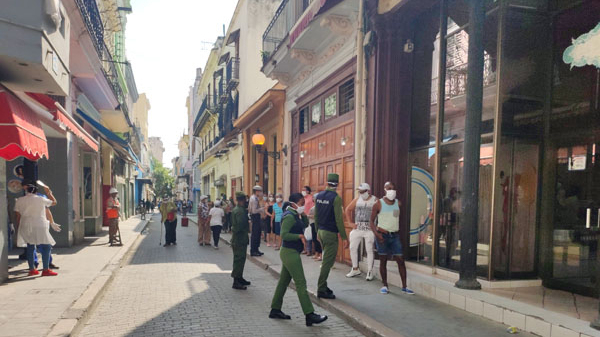
In Cuba, health authorities have reinforced containment measures as hospitals are loaded with cases of COVID-19 which has hit urban and rural localities throughout the island.
Since Cuba reported its first COVID-19 case on March 11, the local program to fight the disease has proven effective in the search, testing and detection of the people requiring treatment. Cuban health authorities have warned that the island is approaching the peak of the pandemic.
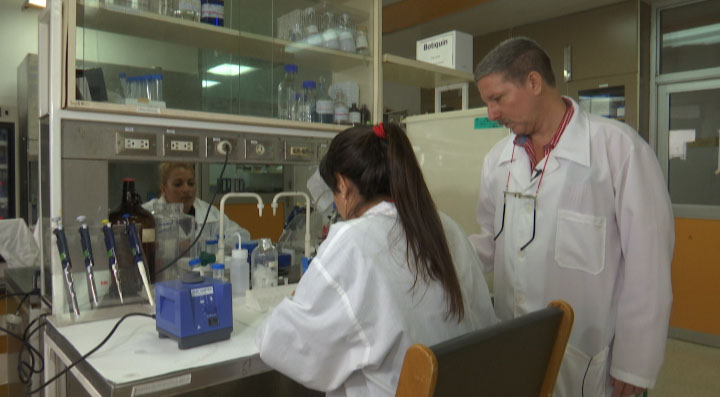
Meanwhile, the Cuban scientific community is working to provide drugs that could help counter the impact of COVID-19. A protocol of over 20 drugs is being administered at health facilities.
Shortly after COVID-19 hit the island, local authorities closed borders for tourists, shutdown schools, cultural and recreational facilities, froze the public transport system, and restricted nonessential labor activities.
"Our assessment of the Cuban program is positive. Cuban authorities are now considering new scenarios for the coming weeks and new actions will be taken according to the epidemiological situation, like the current lockdown in several localities," said Dr Jose Moya, representative of the World Health Organization and the Pan-American Health Organization, commenting on the Cuban struggle against COVID-19.
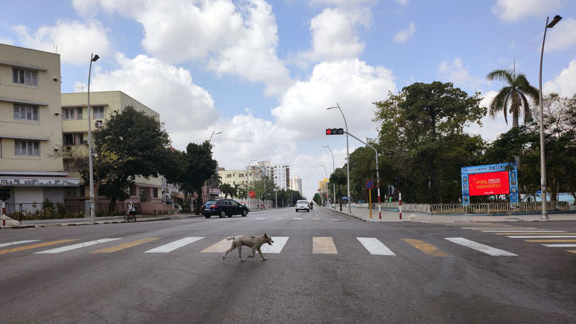
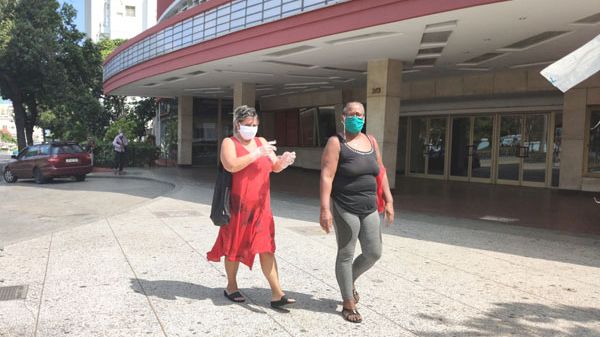
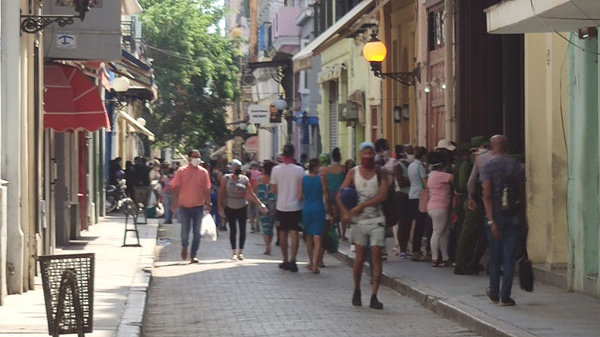
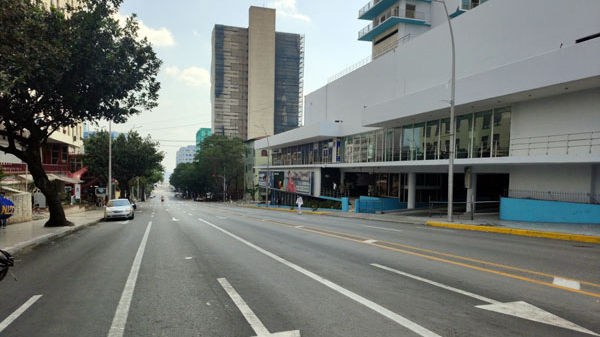
The lockdown has been imposed in several settlements throughout the island. In those communities, people avoid going outdoors by bringing food home. In addition, some food market workers make home deliveries of items such as beans and bread. Meanwhile, firefighters have been disinfecting streets and building fronts.
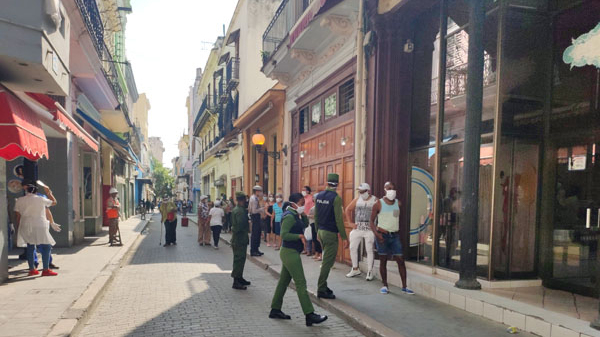
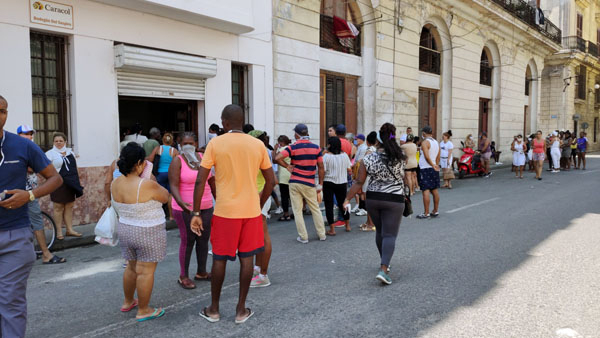
Top government and political leaders have stressed the need for citizens to abide by preventative measures, not to disregard social distancing and stay at home. However, long lines at market places defy government measures as people search for available food supplies. Workers in these places, members of the police and armed forces have been trying to maintain order and social distancing.
"Since products are rationed as only two per person, we find it is not enough. So we need to come back to stand in line for more stuff, and we must keep distance from one another," said Yudith Ramos, a local queuing up for food at a market.
The government measures also stipulate the cancelling or rescheduling of large-scale events, such as the traditional May Day parade, which will not take place this year.