- Home
- China
- World
- Asia-Pacific
- Americas
- Europe
- Middle-East and Africa
- Politics
- Business
- Opinions
- Tech & Sci
- Culture
- Sports
- Travel
- Nature
- Picture
- Video
- Live
- TV
- Radio
- Specials
- Learn Chinese


Share







Copied
Click arrows to view gallery
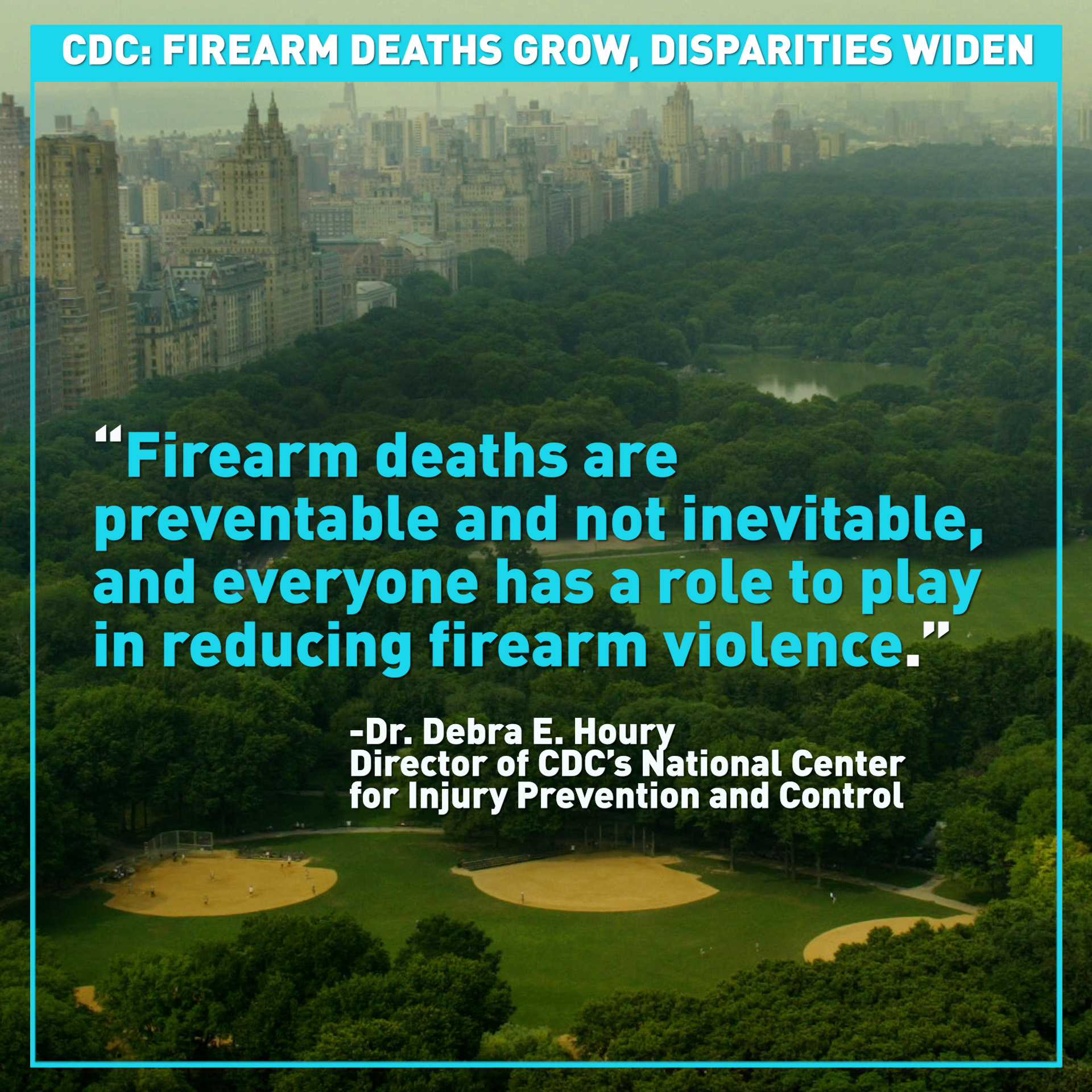
The U.S. Centers for Disease Control and Prevention (CDC) started a new chapter Tuesday with the release of its “Vital Signs” analysis, “Firearm Deaths Grow, Disparities Widen: Comprehensive Strategies Can Prevent Violence and Help Reduce Racial and Ethnic Disparities.”
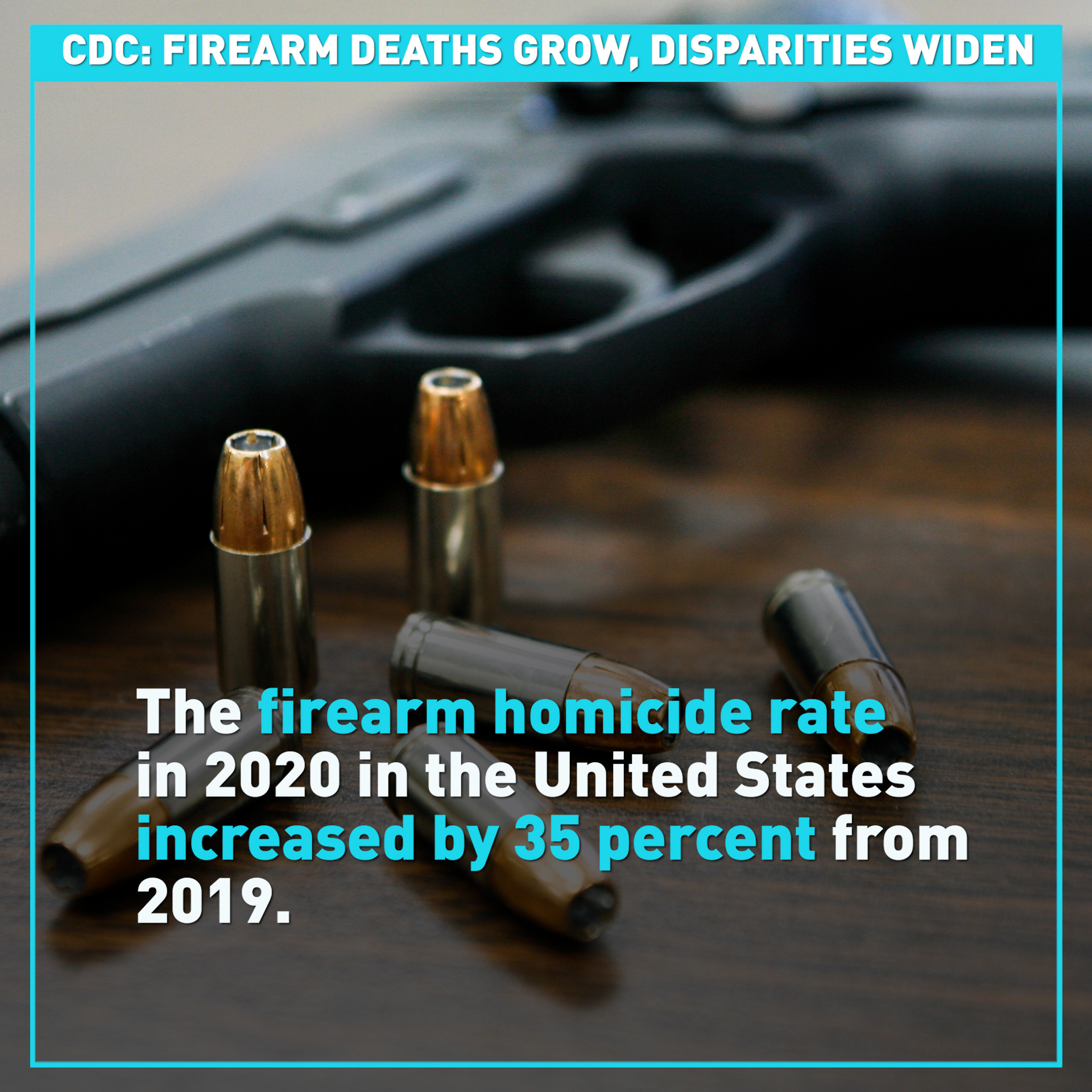
The data in the new report shows a 35 percent increase in the U.S. firearm homicide rate in 2020, with 5000 more people killed by guns in 2020 than 2019.
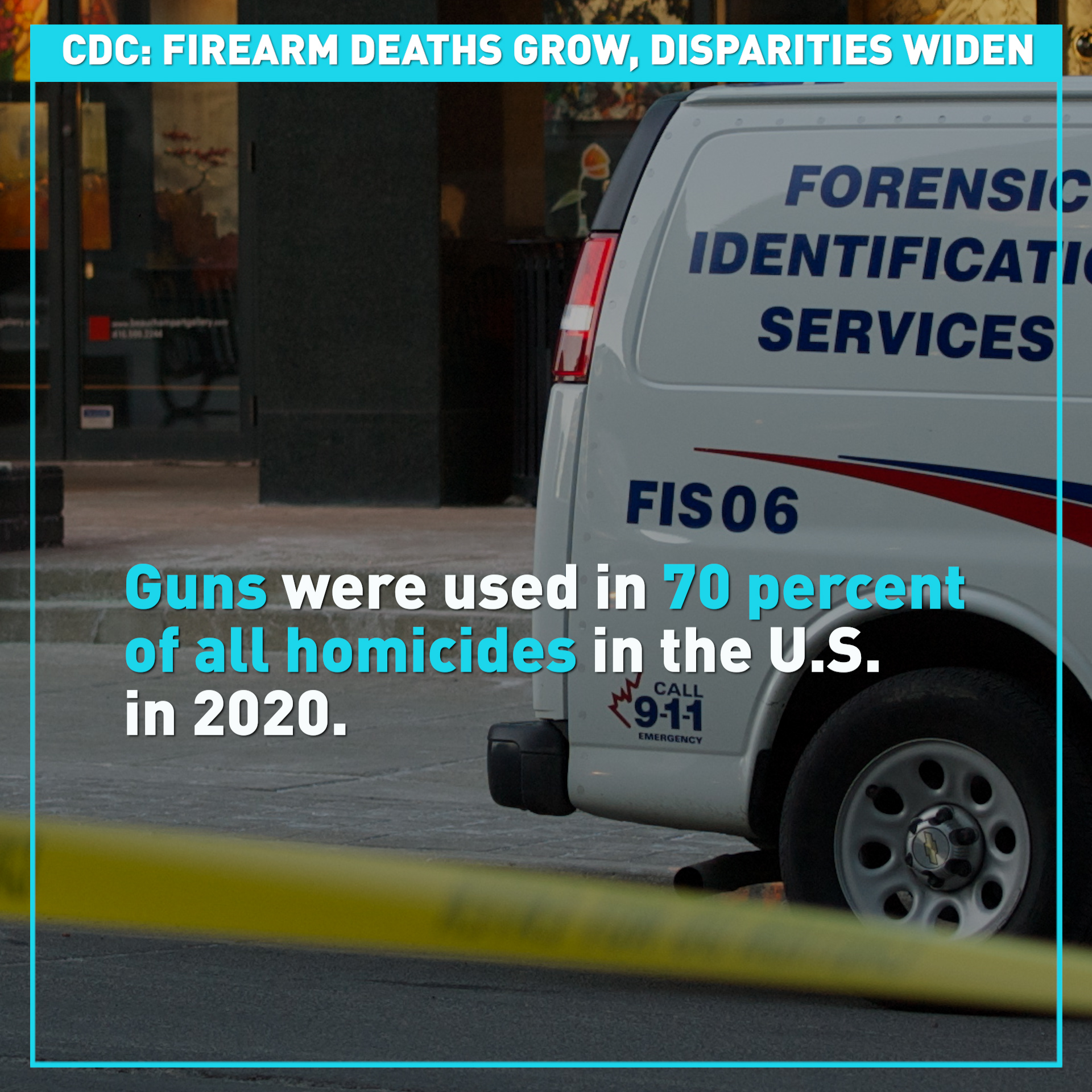
Guns were found to be involved in 70 percent of all homicides in the U.S. in 2020.
Guns were involved in 53 percent of all suicides in 2020.
Firearm deaths are preventable and not inevitable, and everyone has a role to play in reducing firearm violence, Dr. Debra E. Houry, M.D., M.P.H. and CDC Acting Principal Deputy Director and Director of CDC’s National Center for Injury Prevention and Control said Tuesday.
Firearms violence in the U.S. is pervasive, and increased in 2020 in both metropolitan and rural areas of the country.
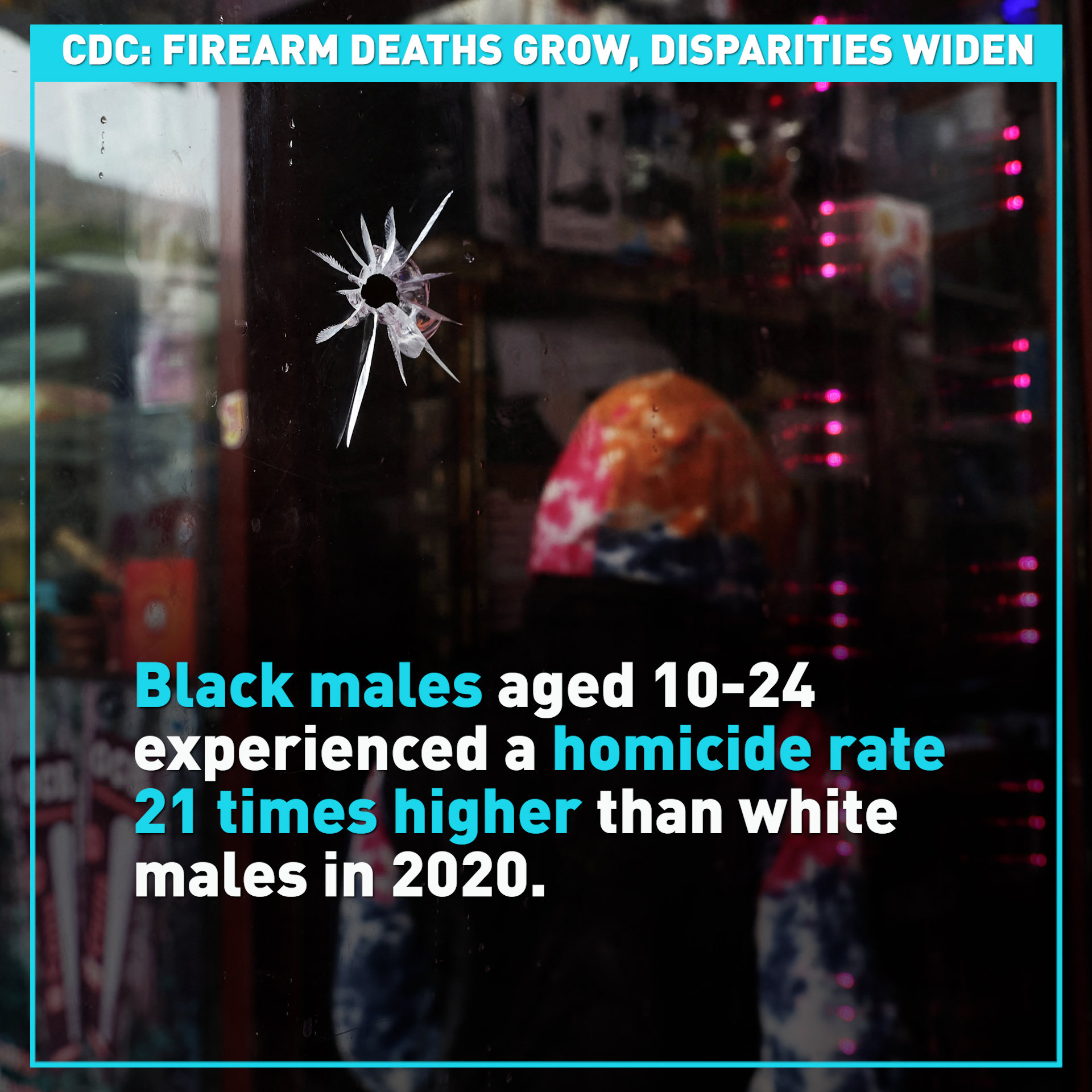
Black men and boys saw the largest homicide rate increase in 2020. Young Black males aged 10-24 experienced a homicide rate 21 times higher than white males in 2020.
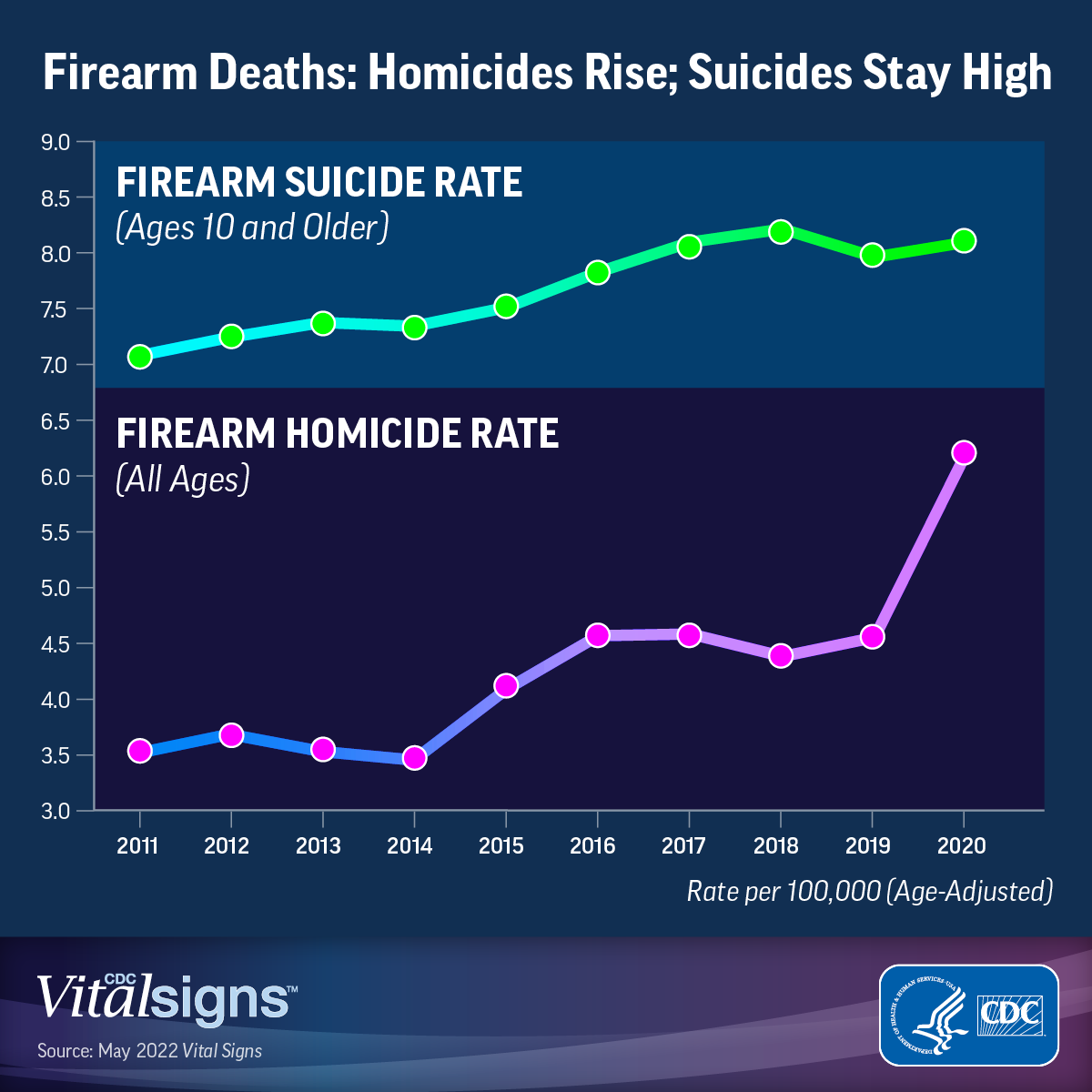
The non-Hispanic American Indian and Alaska Native population was one group to have its suicide rate increase in 2020. Homicide and suicide rates often correlate with socioeconomic conditions, and are more likely to occur in higher-poverty levels, the CDC research found.
Stressors associated with the pandemic, like disruption of services and education, job loss, increased isolation, and growing economic pressures all likely a played role in the complex factors contributing to the suicide and homicide rates in 2020, the report suggests.
The study also found that systemic inequities, like health and mental health care access, and other factors like housing instability taking place against the backdrop of the COVID-19 pandemic widened disparities between groups and heightened the urgency to prevent firearm violence.
What can be done to reduce firearm related homicides and suicide?
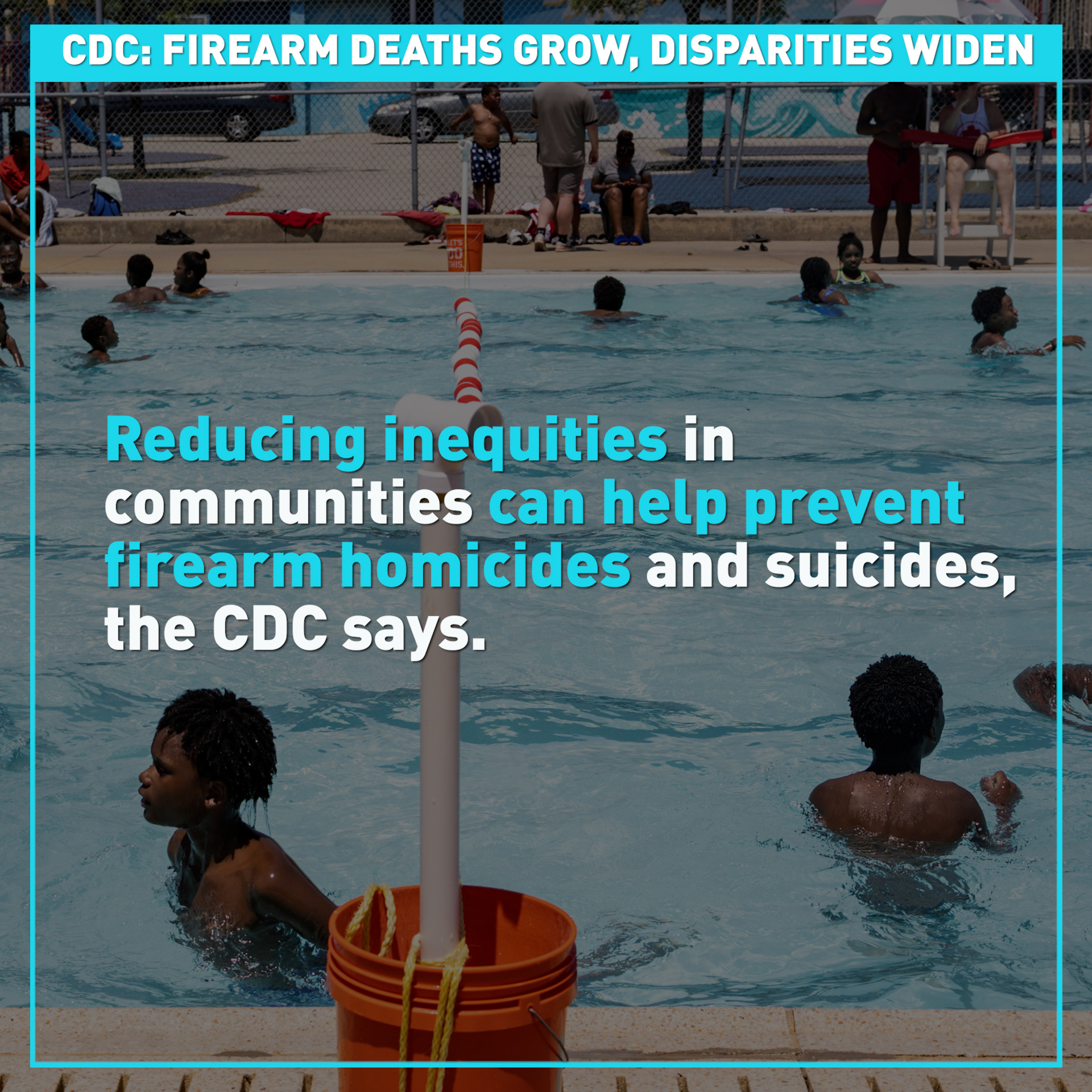
It is preventable, the CDC says, and that to prevent firearm homicides and suicides, communities must focus on reducing inequities.It is important to look beyond the statistics and numbers to reflect on the actual individual lives lost to firearms, Dr. Thomas R. Simon, Ph.D., Associate Director for Science, CDC’s Division of Violence Prevention said.
To prevent firearms violence, programs, policies and planning that better address the needs of the people who are at greater risk of experiencing gun violence are needed, the report says.Communities are encouraged by the CDC to seek ways to identify and mediate potentially lethal conflicts in a community before they escalate.
Programs that provide outreach to youth and young adults admitted to the hospital with assault-related injuries have been shown to help break the cycle of violence.
Suicide prevention systems like National Suicide Prevention Lifeline – 1-800-273-8255, provide 24-hour confidential, free emotional support to people in suicidal crisis across the U.S.
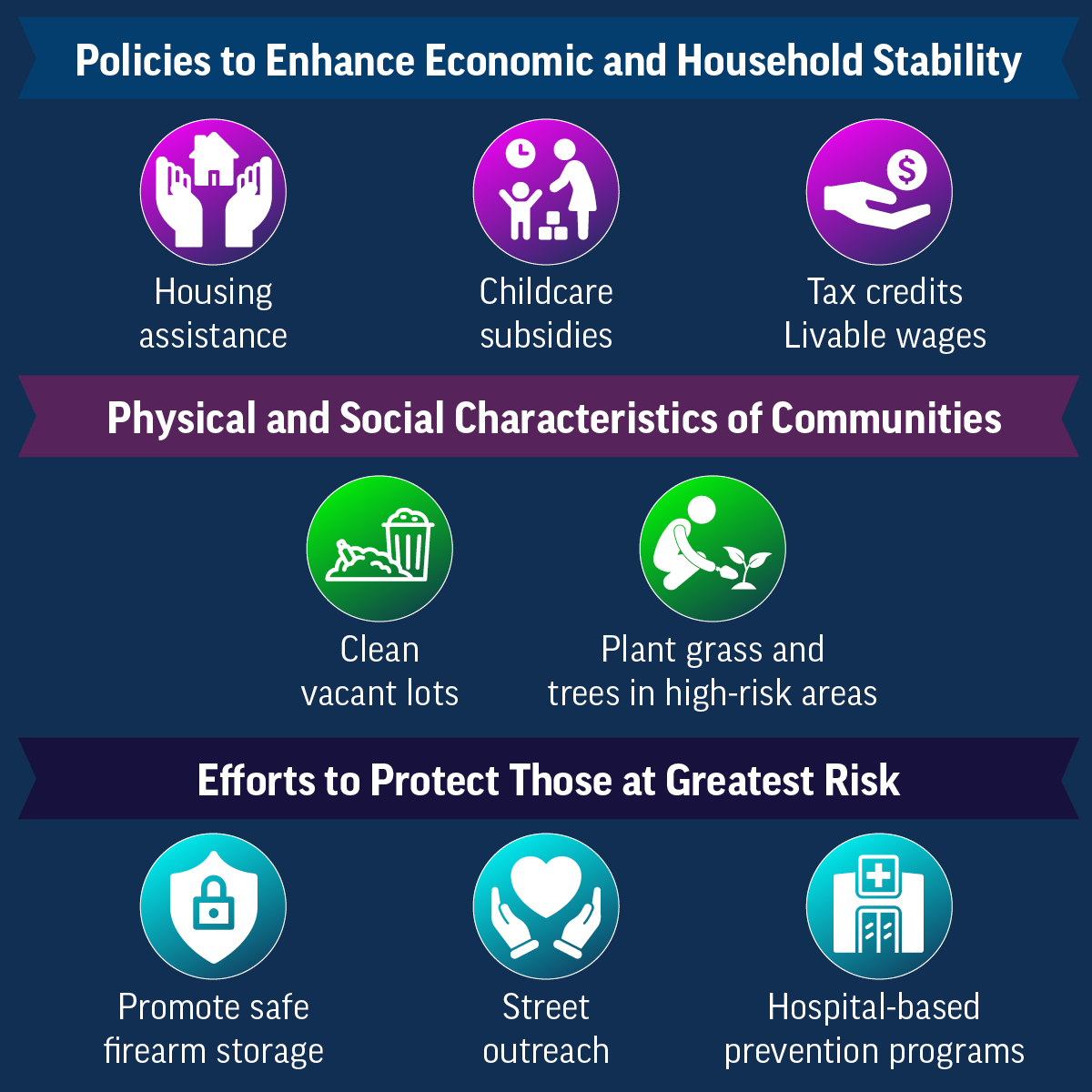
Housing assistance, child care subsidies, tax credits, and livable wages can help prevent gun violence by enhancing positive outcomes, and are just some of the actions that can have a lasting impact on reducing gun violence in communities, the CDC says.
Safety practices, like owning a lockbox to store home firearms, decreases the risks associated with having a gun in the house.
Improving living conditions within communities can improve quality of life, the report shows.
Adding green spaces, trees, and revitalizing areas can improve social conditions and physical and mental well-being. Mentoring, coping, problem-solving, substance abuse and mental health programs also can have far-reaching impacts on reducing gun violence, the CDC says.
The CDC is working closely with federal agencies to continue developing strategies to prevent gun deaths in the U.S., Dr. Houry said, adding that community-level collaborations between law enforcement, public health, clinicians, parents, educators and leaders working together to share data and prevent deaths can be a highly effective way to start turning around the trends.
For more, check out our exclusive content on CGTN Now and subscribe to our weekly newsletter, The China Report.
