 Africa;Sudan
Share







Copied
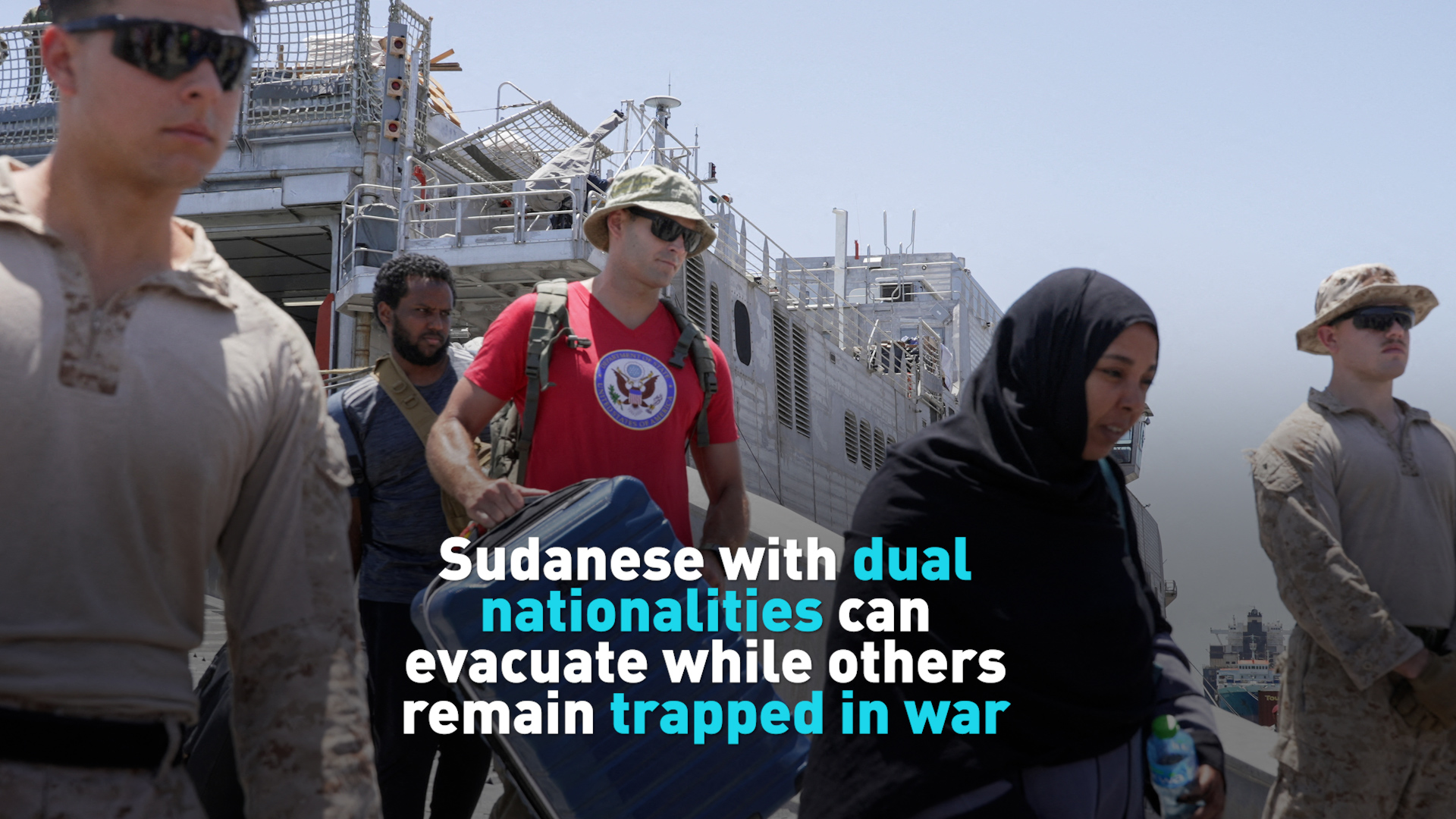
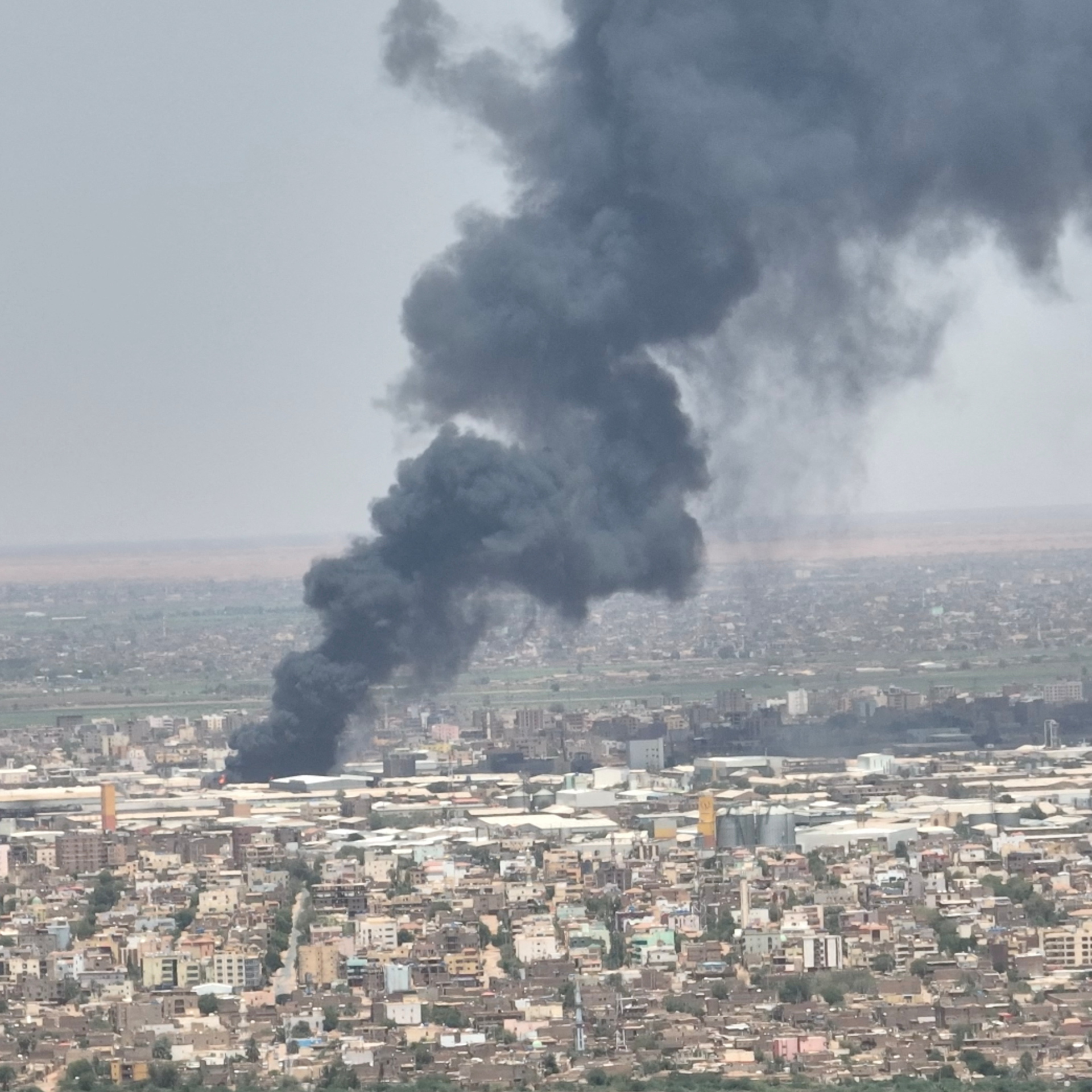
The United Nations has warned that 800,000 people may flee Sudan as rival military factions continue to battle in the capital, despite a supposed ceasefire. Hundreds have been killed and thousands wounded in the conflict between the Sudanese army and the paramilitary Rapid Support Forces (RSF) that began on April 15. The crisis has led to a humanitarian disaster, damaged large areas of Khartoum, and reignited conflict in the Darfur region.
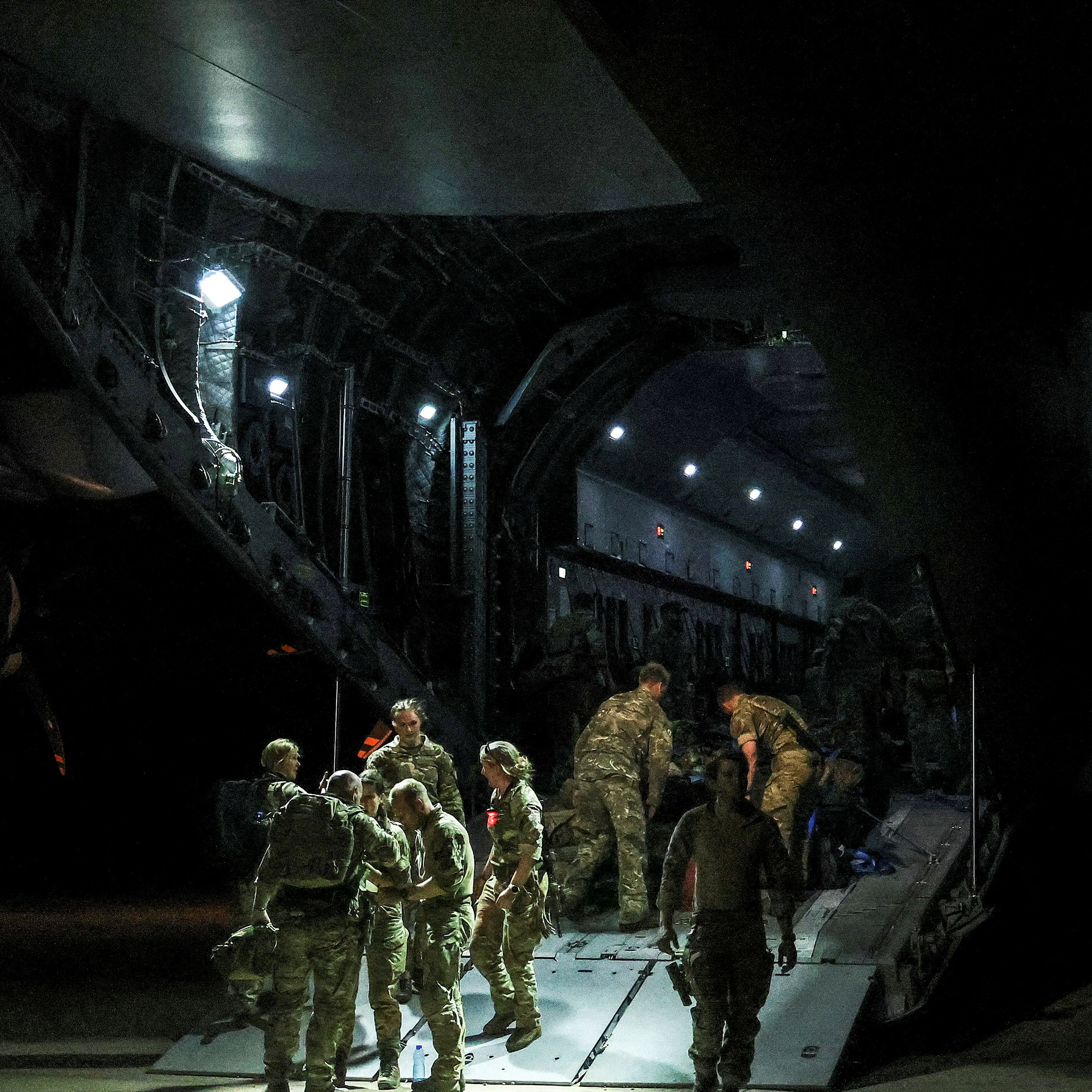
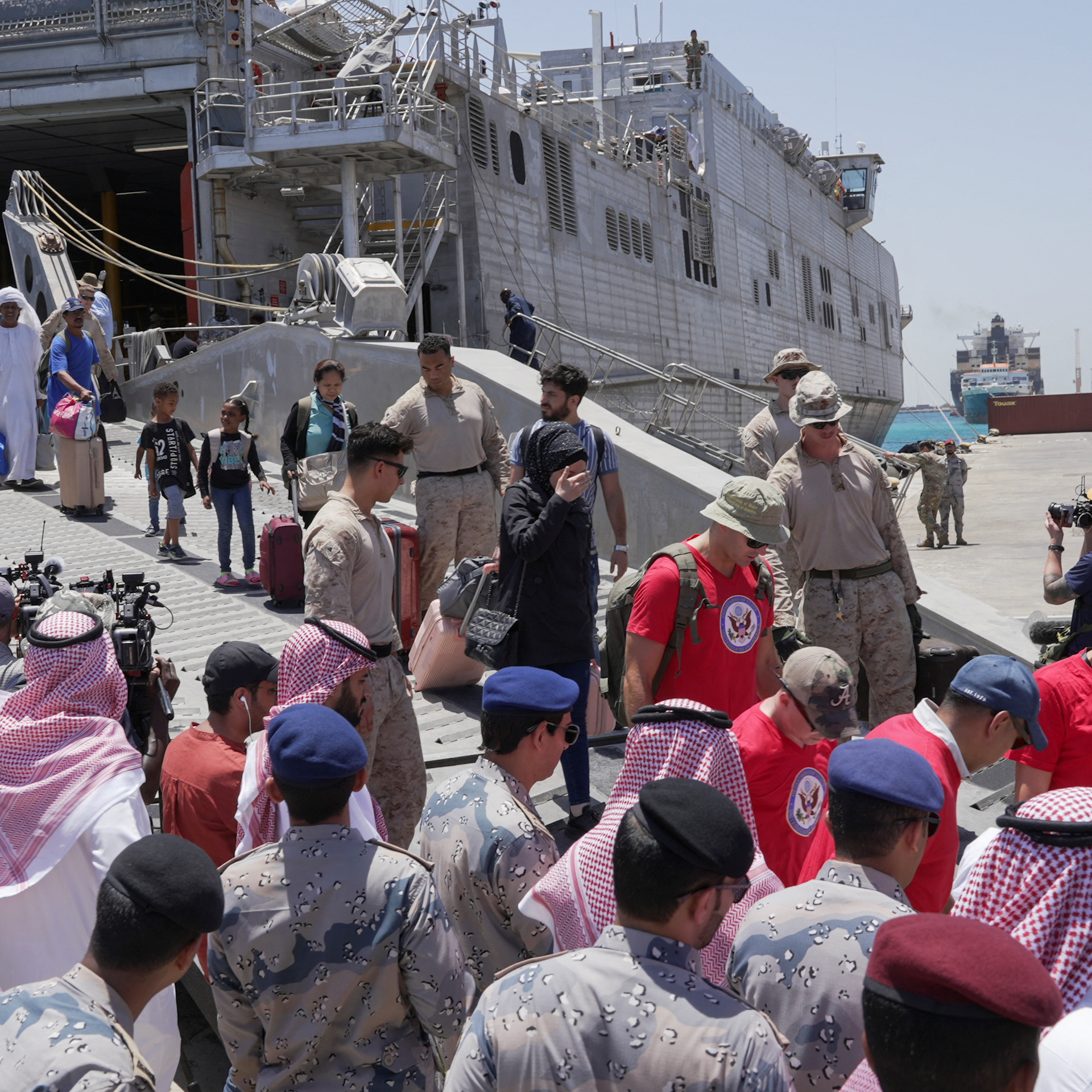
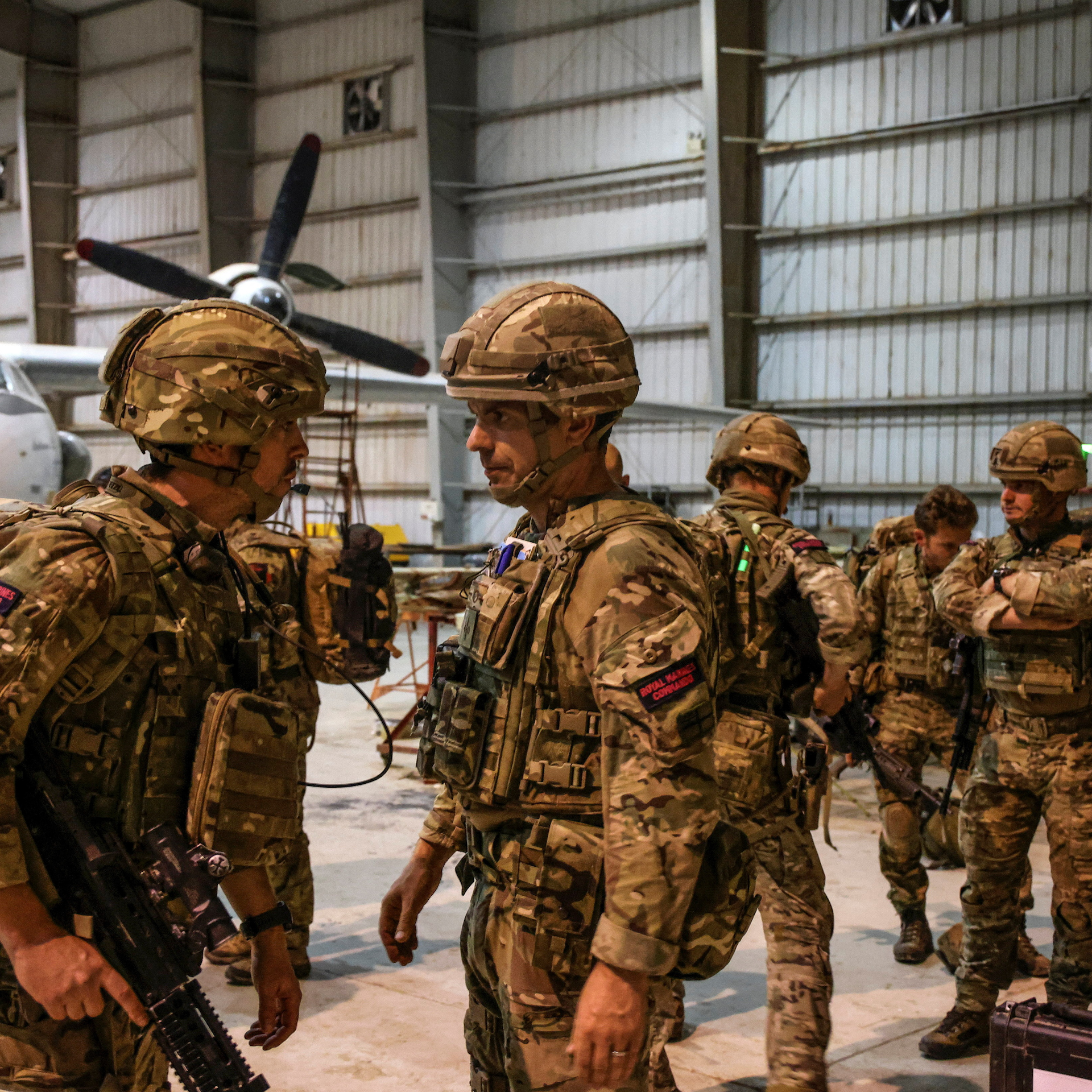
Foreign governments have been evacuating their citizens from Sudan over the past week through a series of operations by air, sea, and land. Several countries have already ended their evacuation efforts, leaving those who remain to face hardship and danger. Egypt reported that 40,000 Sudanese had crossed its border, while others have gone to Chad, South Sudan, and Ethiopia, or have journeyed over the Red Sea on evacuation boats.
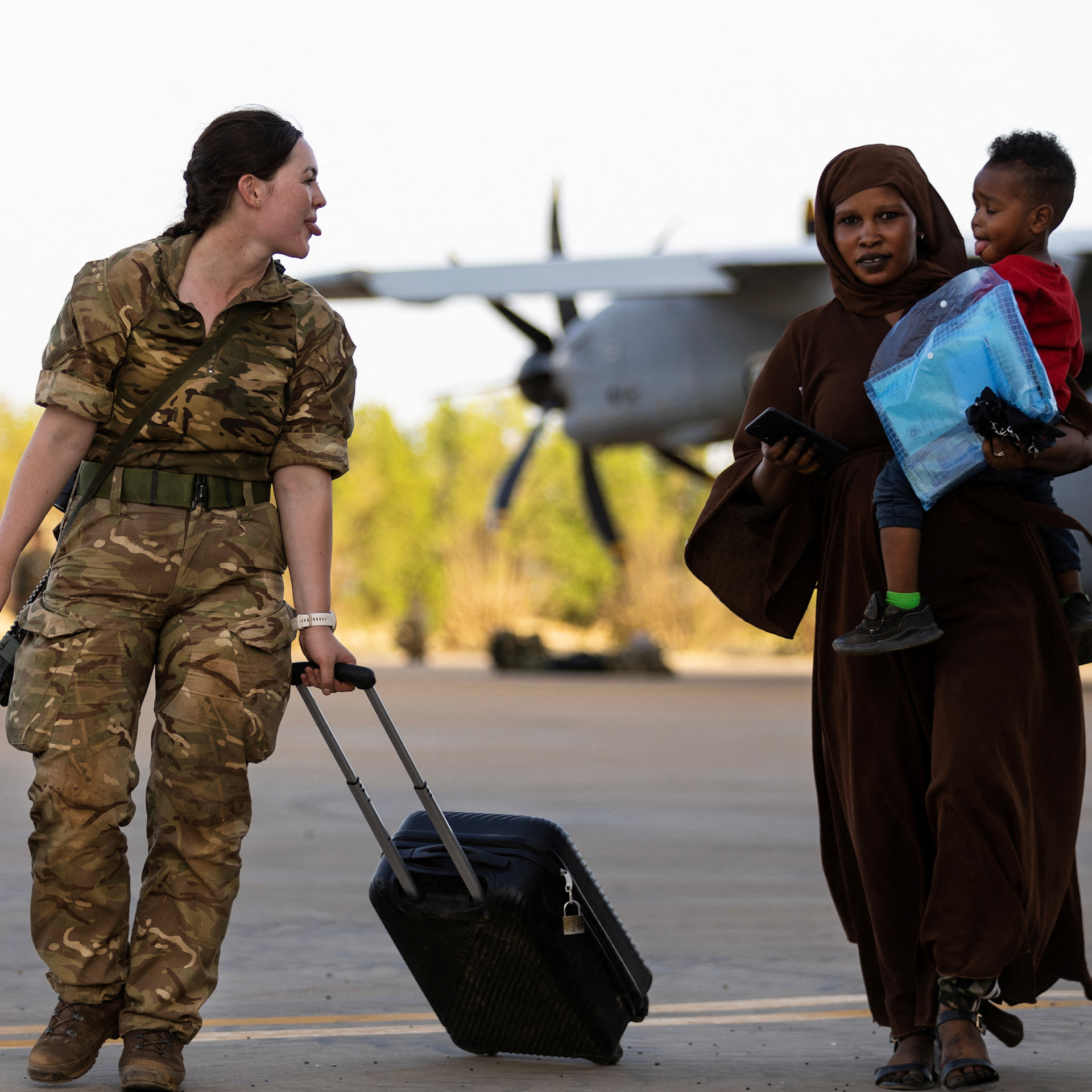
Many Sudanese people with dual nationalities have been allowed to board naval ships heading to Saudi Arabia from Port Sudan, but others with Sudanese citizenship alone have been allowed to board, as Saudi Arabia is reportedly not hosting refugees from the conflict.
U.N. refugee deputy chief Raouf Mazou said the agency is planning for an exodus of 815,000 people, including Sudanese citizens and foreign refugees currently living in the country. Around 73,000 have already left Sudan. The fighting has disrupted power and water supplies, hospitals and clinics are out of service, and food and fuel are scarce.
The ongoing conflict has raised concerns about the impact on Sudan and the broader region, with the U.N. warning that the country is at a breaking point. Aid organizations are importing supplies through Port Sudan but need security guarantees to transport them to Khartoum.
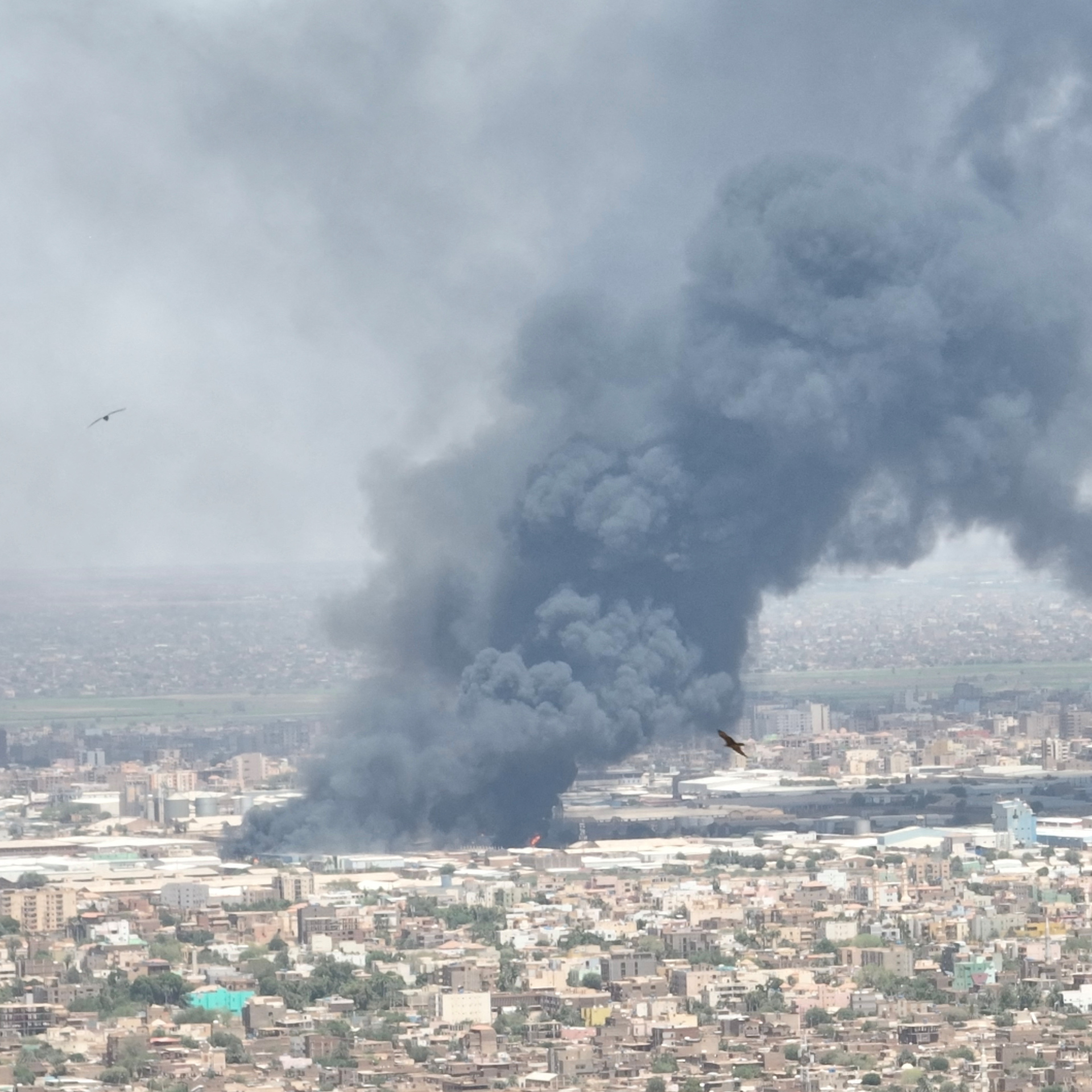
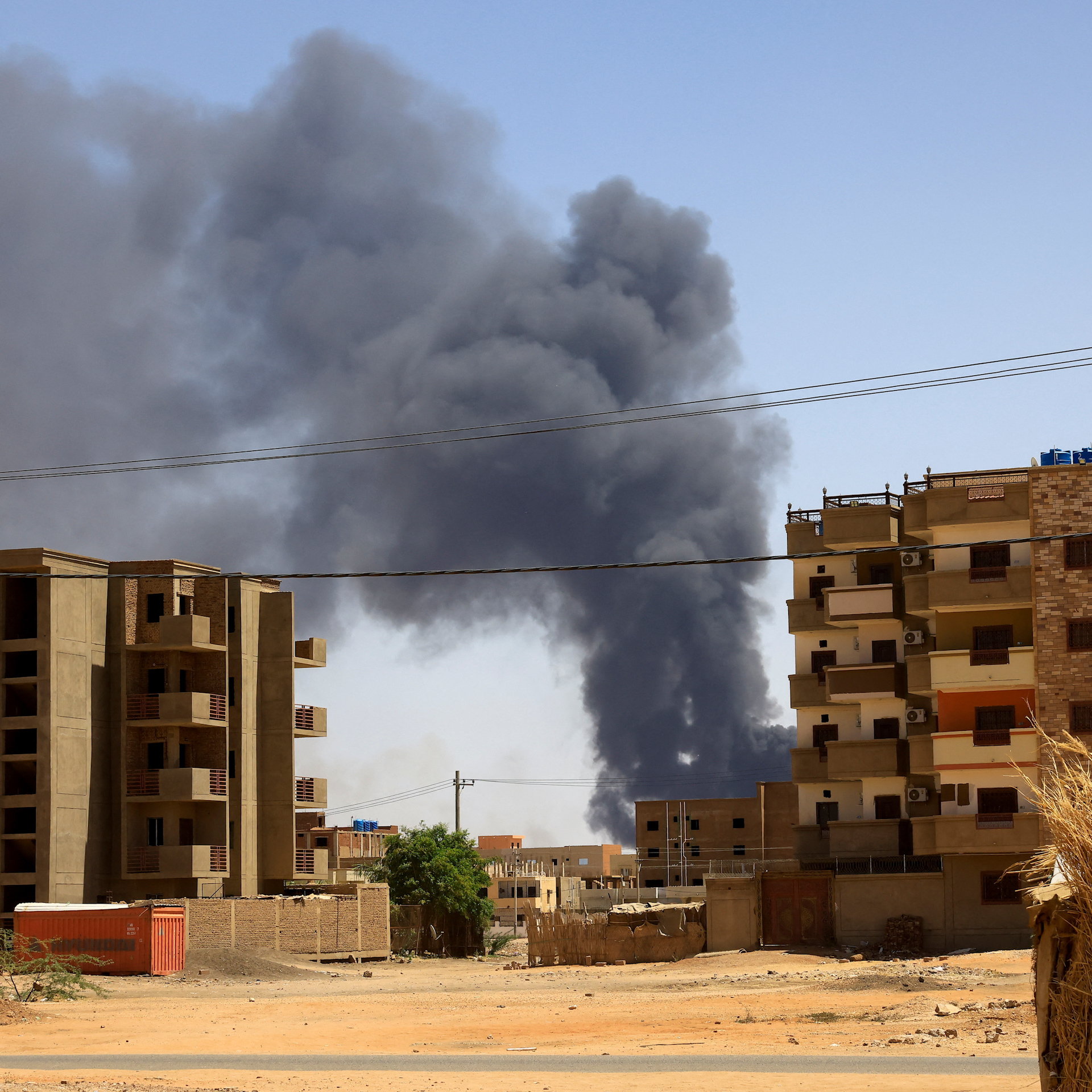
Despite the ongoing evacuations, many Sudanese citizens are left with limited options to escape the conflict. Power and water supplies are uncertain, food and fuel are scarce, and most hospitals and clinics are out of service. Soaring transport costs are making it increasingly difficult for those who wish to leave. The U.N. and other aid organizations have reduced their services in Sudan, but the World Food Programme announced it was resuming operations in more secure areas after staff were killed early in the war.
For more, check out our exclusive content on CGTN Now and subscribe to our weekly newsletter, The China Report.
Search Trends
SITEMAP
Copyright © 2023 CGTN. 京ICP备16065310号

Disinformation report hotline: 010-85061466
SITEMAP
Copyright © 2023 CGTN. 京ICP备16065310号
Disinformation report hotline: 010-85061466