 Asia;Iran
Share






Copied
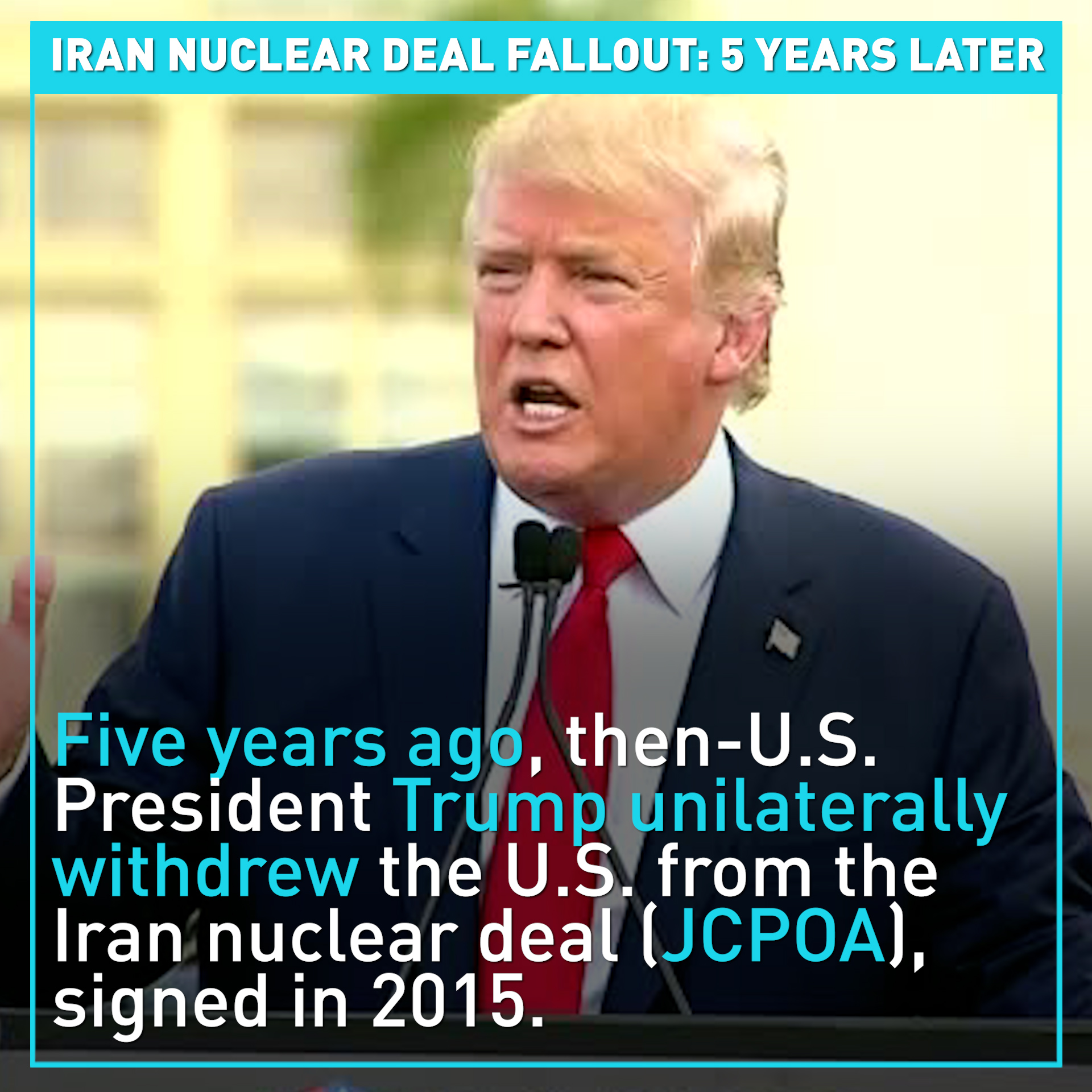
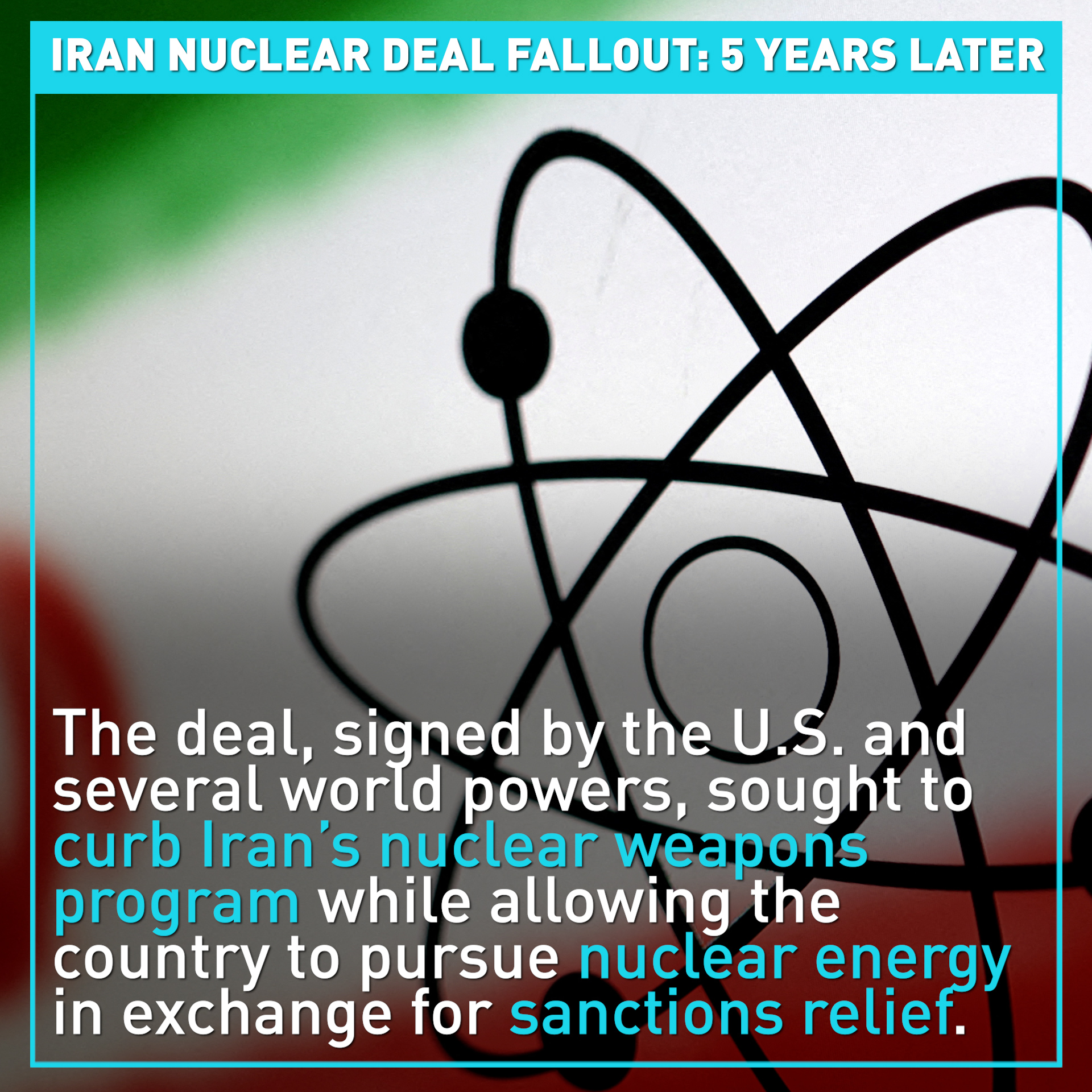
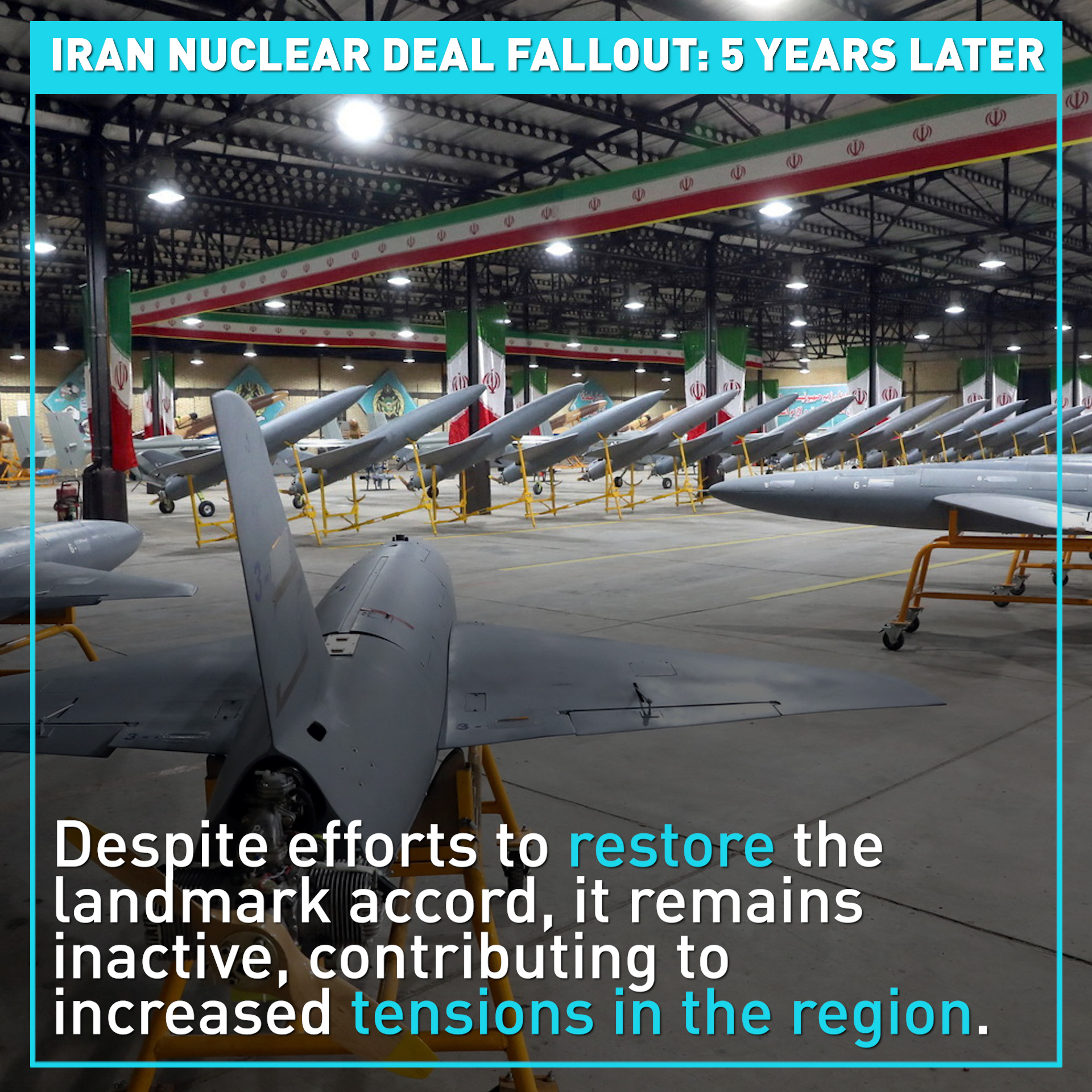
Five years ago, then-President Donald Trump announced the unilateral withdrawal of the United States from the Joint Comprehensive Plan of Action (JCPOA), a landmark nuclear agreement signed in 2015 between Iran and world powers. Despite numerous efforts to restore the accord, it remains inactive, leading to increased tensions across the region.
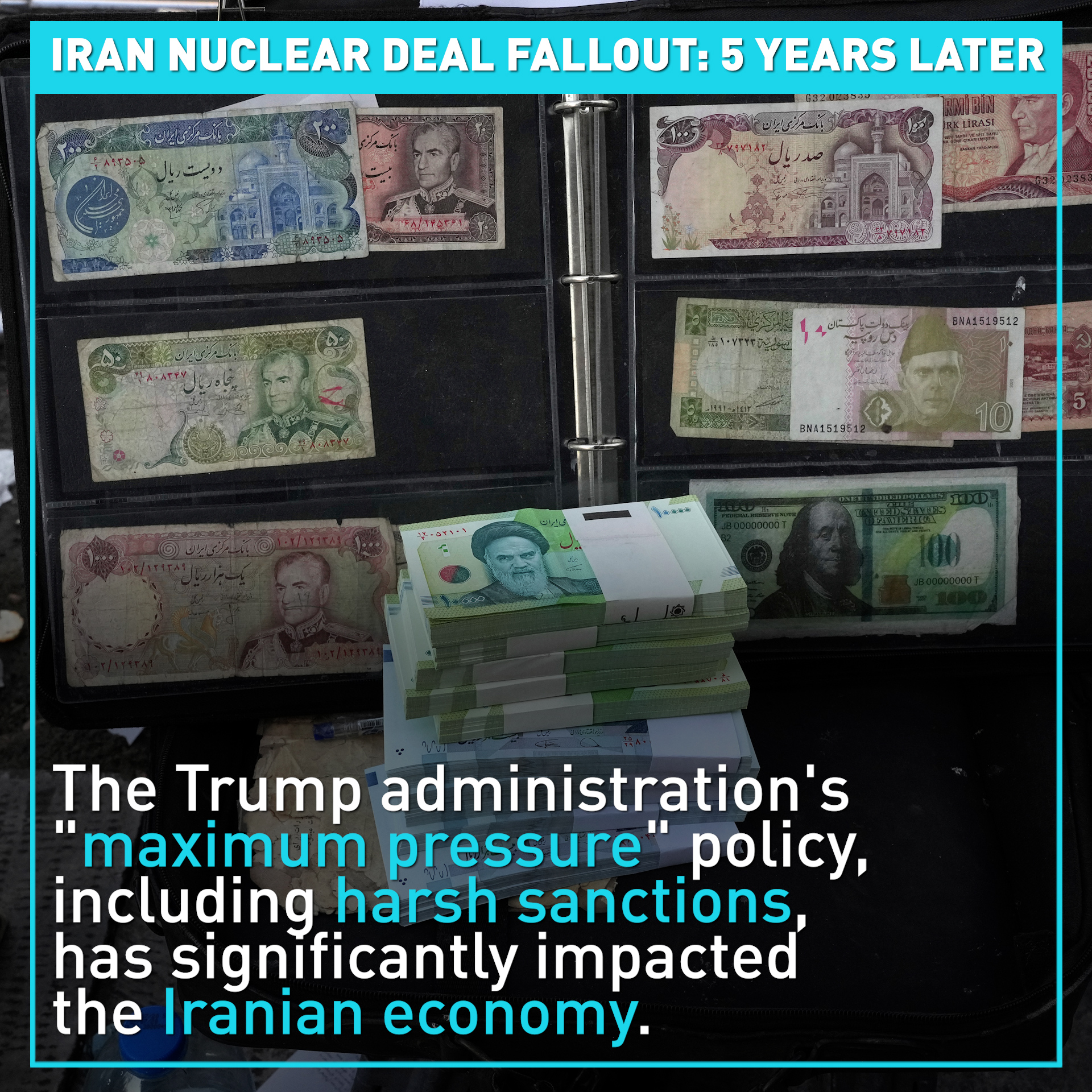
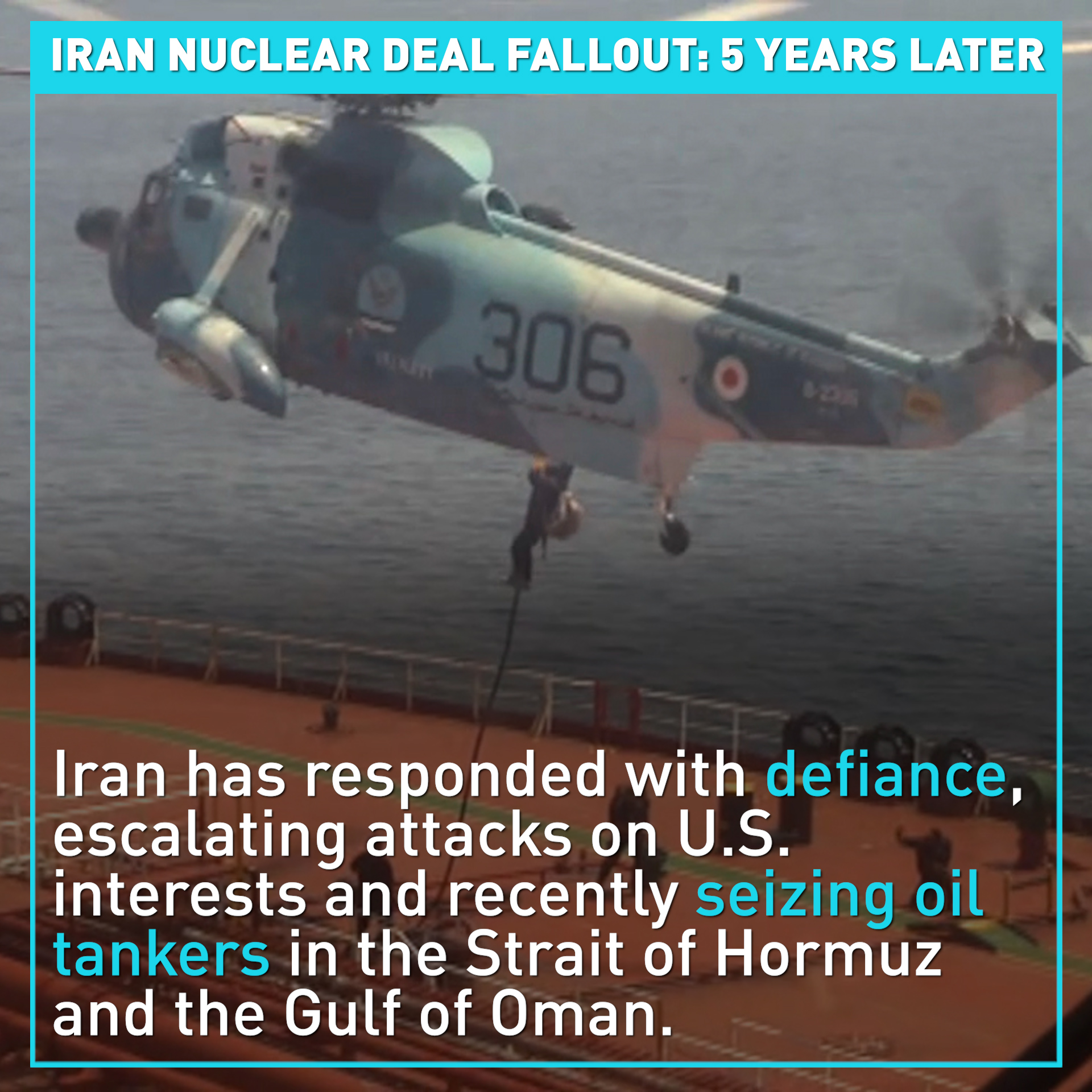
The Trump administration's "maximum pressure" policy, which involved imposing harsh sanctions on Iran, has significantly impacted the Iranian economy. In response, Iran has escalated its defiance, launching attacks on U.S. interests and recently seizing oil tankers in the Strait of Hormuz and the Gulf of Oman. The US assassination of Iran's top general Qassem Soleimani in early 2020 further heightened tensions between Tehran and Washington.
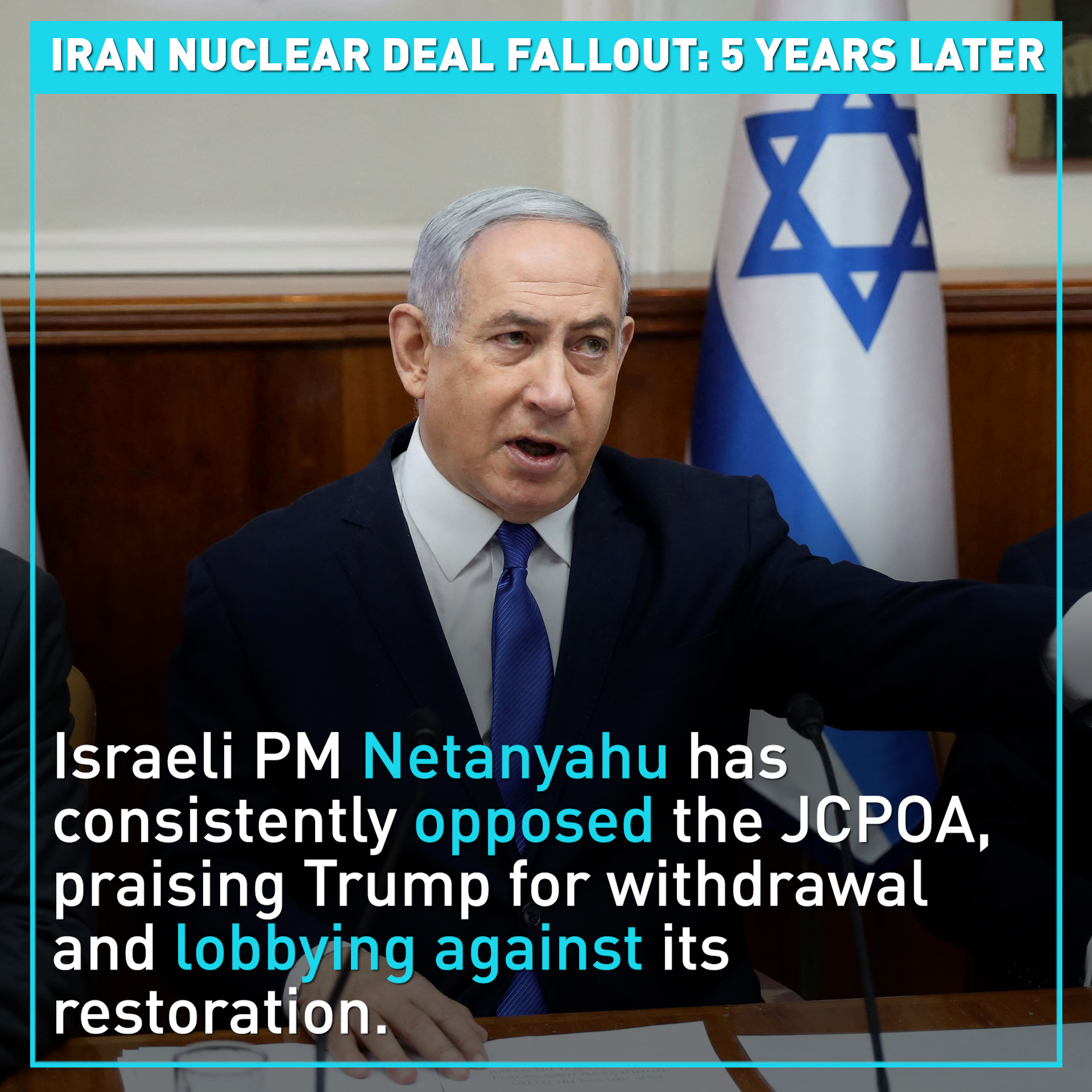
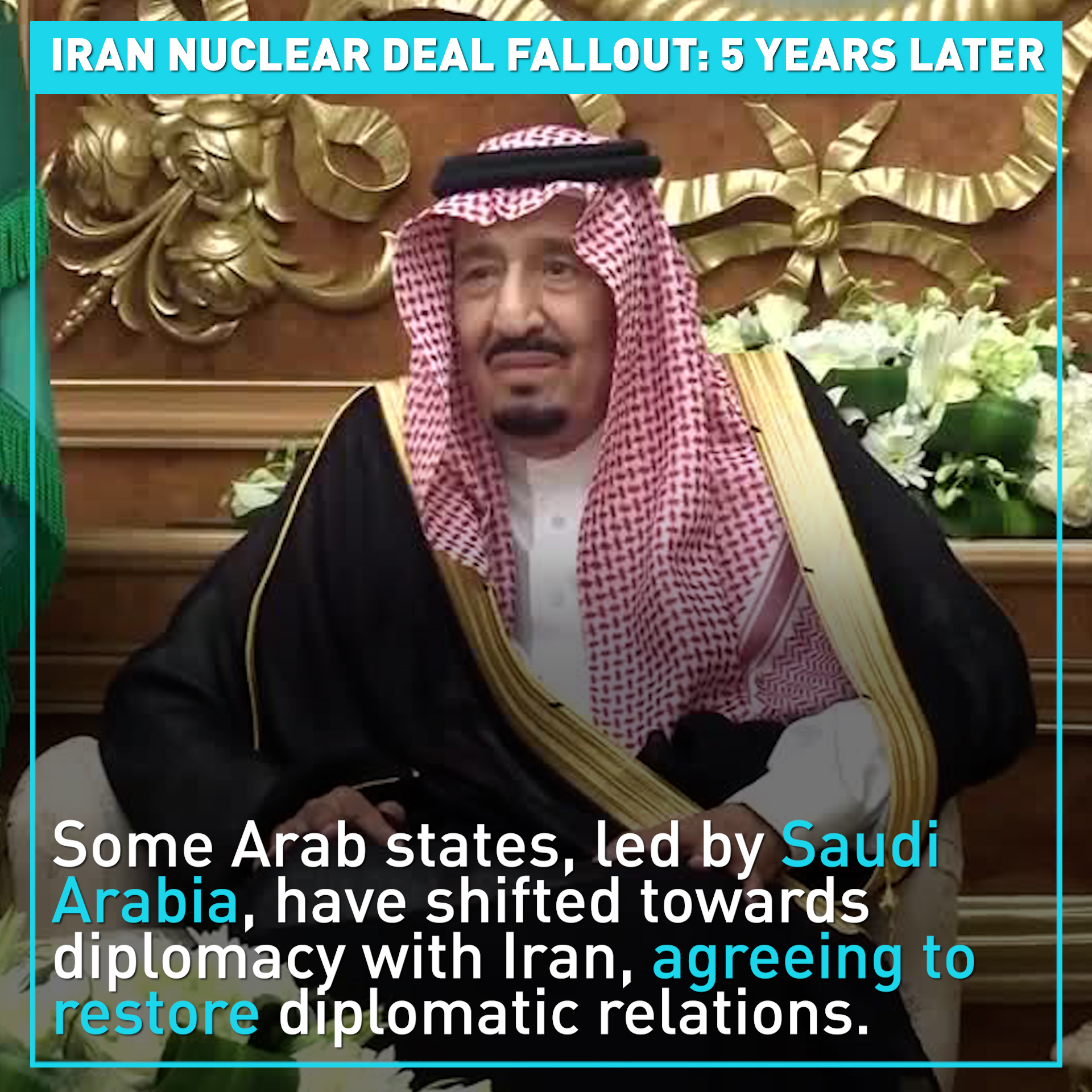
Israel has been a consistent opponent of the JCPOA, with Prime Minister Benjamin Netanyahu praising Trump for his decision to withdraw and actively lobbying against efforts to restore the deal. Meanwhile, some Arab states, led by Saudi Arabia, have shifted towards diplomacy with Iran. In March, Iran and Saudi Arabia agreed to restore diplomatic relations in a deal mediated by China, with embassies expected to reopen this week.
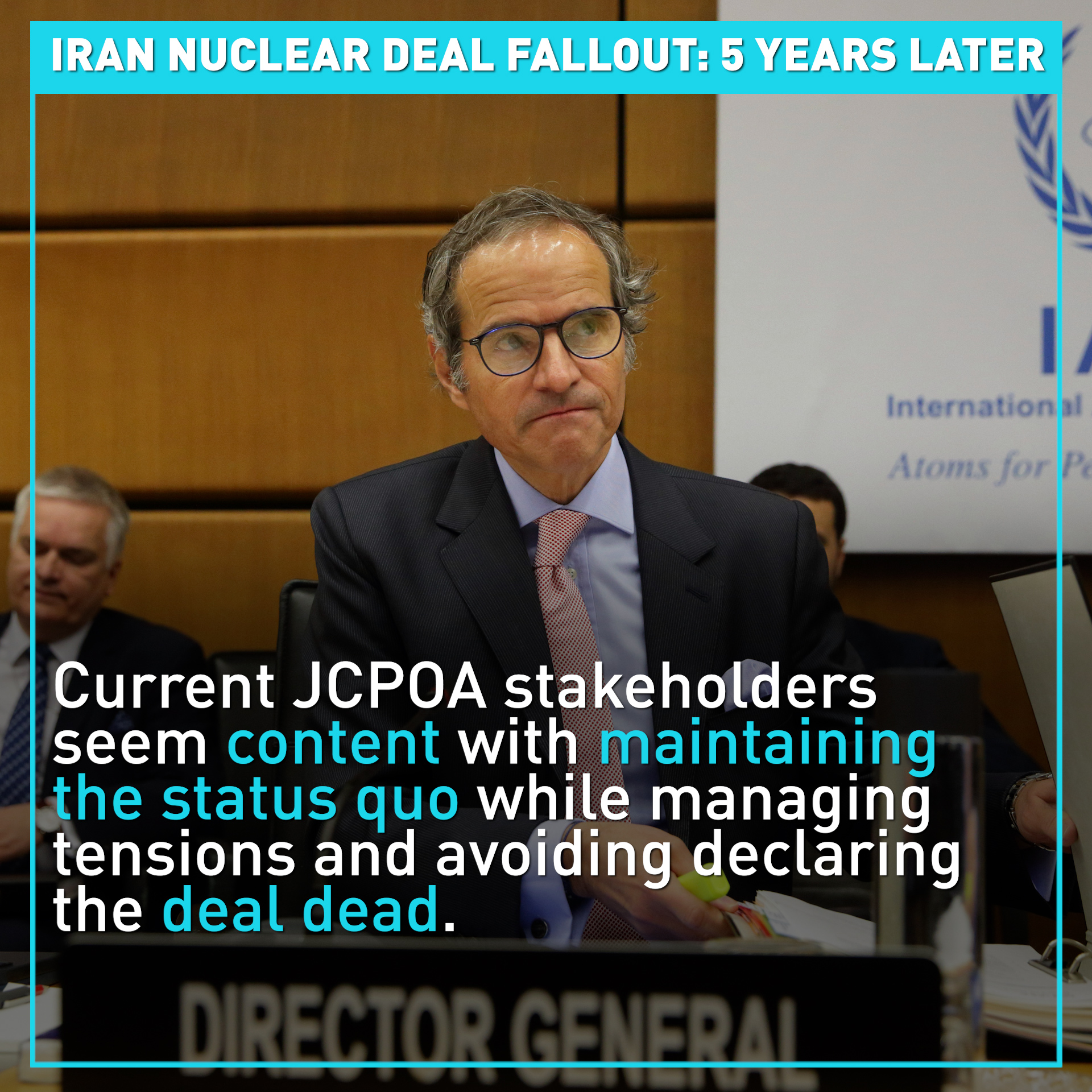
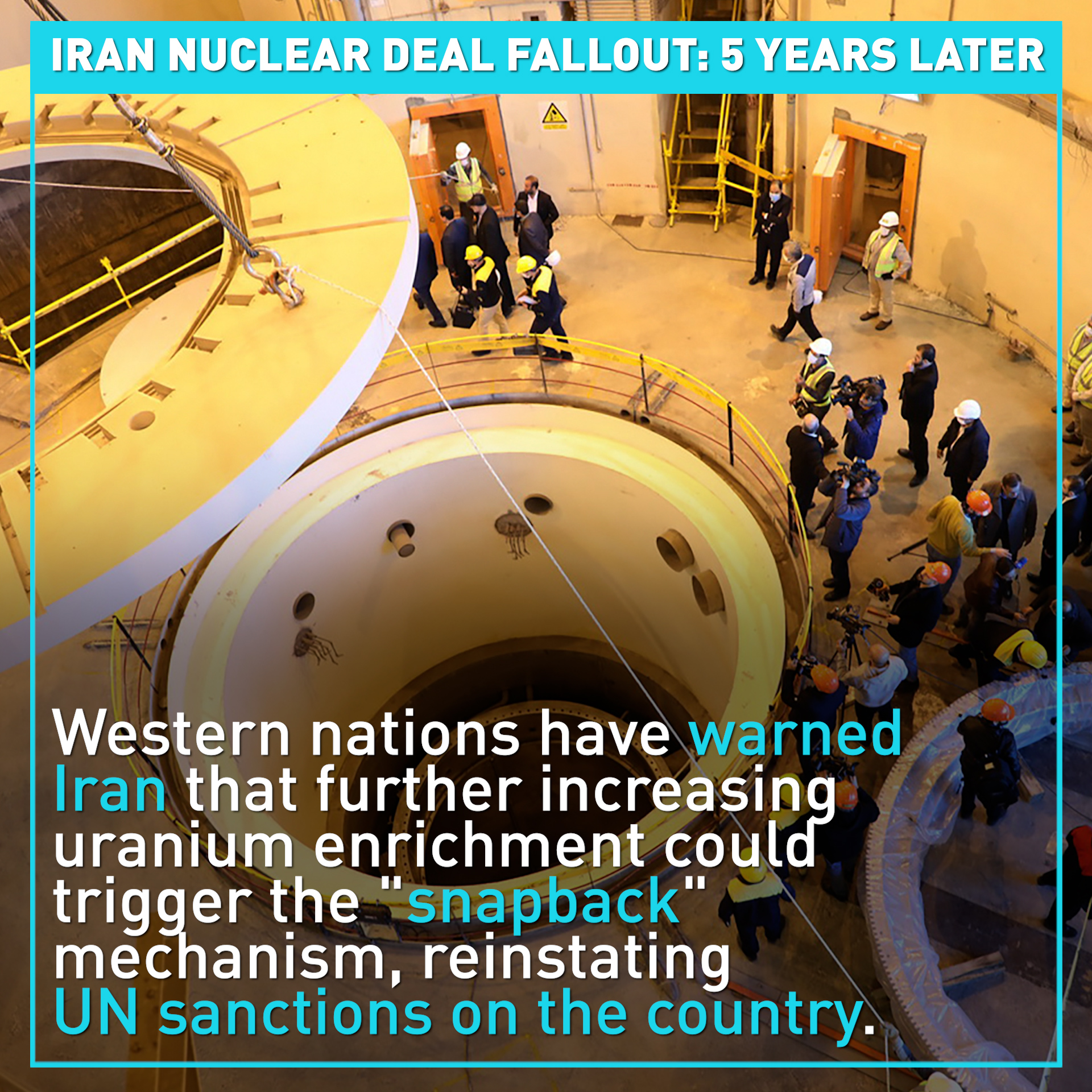
Current stakeholders in the JCPOA seem content to maintain the status quo while managing tensions. However, the Western parties have warned Iran that further increasing uranium enrichment could trigger the deal's "snapback" mechanism, which would automatically reinstate United Nations sanctions on Iran.
For more, check out our exclusive content on CGTN Now and subscribe to our weekly newsletter, The China Report.
Search Trends
SITEMAP
Copyright © 2023 CGTN. 京ICP备16065310号

Disinformation report hotline: 010-85061466
SITEMAP
Copyright © 2023 CGTN. 京ICP备16065310号
Disinformation report hotline: 010-85061466